
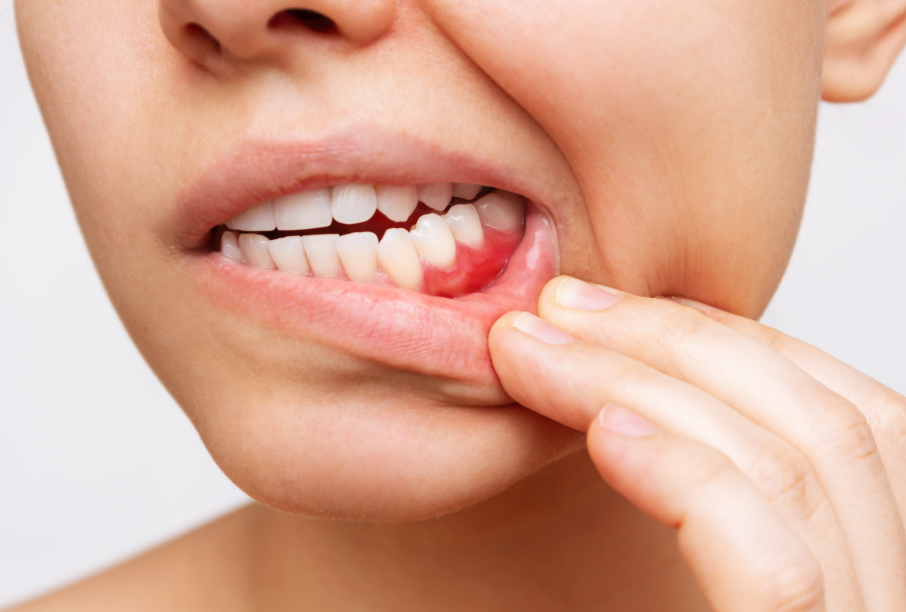
Gum disease is often thought of as a localized oral health issue, affecting only the gums. But when left untreated, its impact can extend far beyond inflammation or bleeding—it can actually influence the structure of your face over time.
As periodontal disease progresses, it can lead to tooth loss and bone deterioration in the jaw. These changes may gradually alter facial shape, affecting everything from your profile to the natural support of your lips and cheeks.
Understanding this connection is an important step in recognizing why early treatment matters so much.
How Gum Disease Progresses in the Mouth
Gum disease typically begins as gingivitis, a mild form of inflammation caused by plaque buildup along the gumline. At this stage, symptoms may include redness, swelling, and bleeding during brushing or flossing.
If gingivitis is not treated, it can progress to periodontitis, a more advanced stage where infection spreads below the gumline. This leads to the breakdown of gum tissue and the bone that supports the teeth.
Over time, pockets form between the teeth and gums, making it easier for bacteria to collect and harder for the gums to heal. Without intervention, this ongoing infection can eventually result in loose teeth or tooth loss.
Tooth Loss and Its Impact on Facial Structure
Teeth do more than help you chew and speak—they also play a key role in supporting your facial structure. The roots of your teeth help stimulate the jawbone, keeping it strong and stable.
When teeth are lost due to advanced gum disease, that stimulation disappears. As a result, the jawbone can begin to shrink or resorb over time. This process is often gradual, but it can have noticeable effects on facial appearance.
Common changes associated with bone loss and tooth loss include:
- A sunken or collapsed appearance around the mouth
- Reduced support in the cheeks and lips
- Increased wrinkles or fine lines around the lower face
- A shortened appearance of the lower facial height
- Changes in bite alignment and jaw position
These changes are sometimes referred to as “facial collapse,” and they can make a person appear older than they are.
Why Early Treatment Makes a Difference
The good news is that gum disease is highly treatable in its early stages—and even in more advanced cases, treatment can help prevent further damage.
Professional periodontal care focuses on removing bacteria below the gumline, reducing inflammation, and helping gums reattach to teeth when possible. In more advanced cases, additional treatments may be needed to stabilize teeth and protect remaining bone structure.
When tooth loss does occur, restorative options like dental implants or bridges can help maintain facial support and prevent further bone loss.
The earlier gum disease is addressed, the more likely it is that long-term structural changes can be minimized.
Protecting Both Your Smile and Your Facial Appearance
Good oral hygiene habits at home play a major role in preventing gum disease from developing or progressing. Brushing twice a day, flossing daily, and attending regular dental checkups all help keep bacteria under control.
If you notice symptoms like bleeding gums, persistent bad breath, gum recession, or loose teeth, it’s important to seek care as soon as possible.
Gum health isn’t just about your smile—it’s closely tied to how your face is supported and shaped over time.
About the Practice
The team at Iglesias Dental Group provides comprehensive periodontal and restorative dental care focused on protecting gum health and preserving long-term oral function. Through personalized treatment plans for gum disease, we help patients prevent tooth loss, maintain bone structure, and support healthy, confident smiles.
Call us at (954) 341-0500 or schedule your appointment online.