
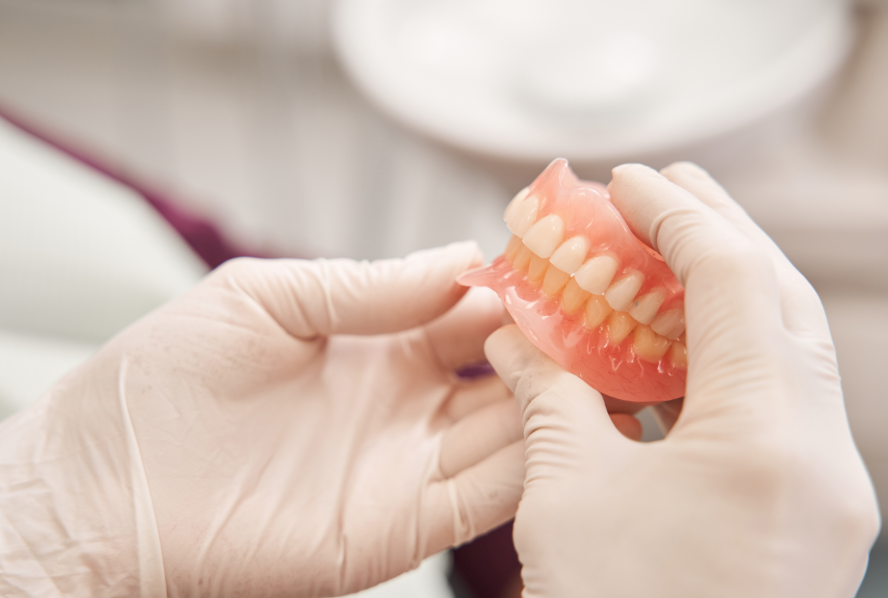
Lower dentures can be tricky to keep in place. Unlike upper dentures, which gain suction from the roof of the mouth, lower dentures have a smaller surface area and are subject to constant movement from the tongue and cheeks. This can make them feel unstable, even with careful fitting.
Understanding why lower dentures shift and what can be done to improve their stability can help you enjoy everyday activities like eating and speaking with confidence.
Common Reasons Lower Dentures Shift
Several factors can cause a lower denture to move around:
- Jawbone and Gum Changes: Over time, the jawbone naturally shrinks after tooth loss. This can make the denture fit less snugly and cause gaps between the denture and gums.
- Muscle and Tongue Movement: The tongue and surrounding facial muscles can push against a lower denture, especially when talking or eating, leading to instability.
- Improper Fit: Even a new denture may require adjustments. Small irregularities in the shape of the denture base can prevent it from seating correctly.
- Worn Dentures: Dentures that have been in use for several years can lose their shape or wear down, reducing their ability to stay in place.
Solutions to Improve Lower Denture Stability
If your lower denture feels loose, several options can help:
- Denture Relines: A reline involves adding material to the inside of the denture to better match the contours of your gums. This can restore a snug fit and improve comfort.
- Adhesives: Denture adhesives can provide temporary stability by creating a thin layer that helps the denture adhere to the gums. They are often useful for minor adjustments or short-term solutions.
- Implant Dentures: For a more permanent solution, implant-supported dentures are anchored directly into the jawbone. This dramatically improves stability, prevents slipping, and can even allow you to eat a wider variety of foods with confidence.
Tips for Everyday Comfort
In addition to professional solutions, simple strategies can make wearing lower dentures easier:
- Avoid very sticky or hard foods that can dislodge the denture.
- Practice speaking and chewing with the denture to help your muscles adapt.
- Clean your dentures and gums regularly to maintain proper fit and prevent irritation.
Finding the Right Solution
While lower dentures are more prone to shifting than upper dentures, most fit issues can be addressed effectively. Discussing options with your dentist ensures you choose a solution that works best for your comfort, function, and lifestyle.
With the right adjustments or upgrades, lower dentures can feel secure and allow you to enjoy daily activities without worry.
About the Practice
Located in the heart of Coral Springs, Iglesias Dental Group provides comprehensive denture services, including full and partial dentures, relines, and implant-supported options. Our outstanding team of dentists focus on personalized care to ensure proper fit, comfort, and functionality, helping patients regain confidence in their smiles and maintain oral health for the long term.
Call us at (954) 341-0500 or schedule your appointment online.